Haunted places guide · North Carolina historic houses
Haunted Historic Houses of North Carolina's Former Plantations
Pianos that play in empty parlors, footsteps on old brick walks and a staircase stain said to bleed through paint. These historic houses tell their ghost stories alongside the history of the people who were enslaved there.
Every house in this guide was once the center of a farm worked by enslaved people, and the best of them now tell that history honestly. We have checked each place against current sources, said where a ghost story has no record behind it, and pointed you to the guided tours that tell the full story.
Where to look The parlor piano, the hallways and the balcony
Reported ghosts A woman in a long black skirt, said to be Mary Willis Mordecai Turk; piano music
Visiting City-run historic park; the house is seen on guided tours
Tours Guided house tours; seasonal events
Ghost hunting Investigations by a local paranormal group, shared at the park’s October event; no public ghost hunts
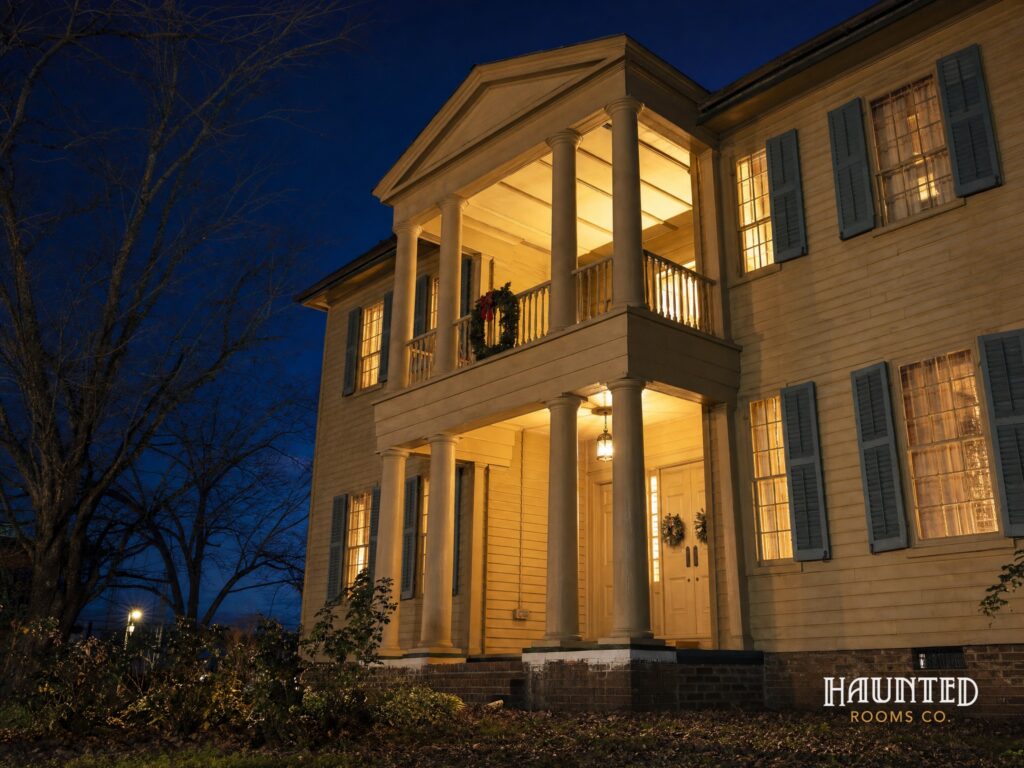
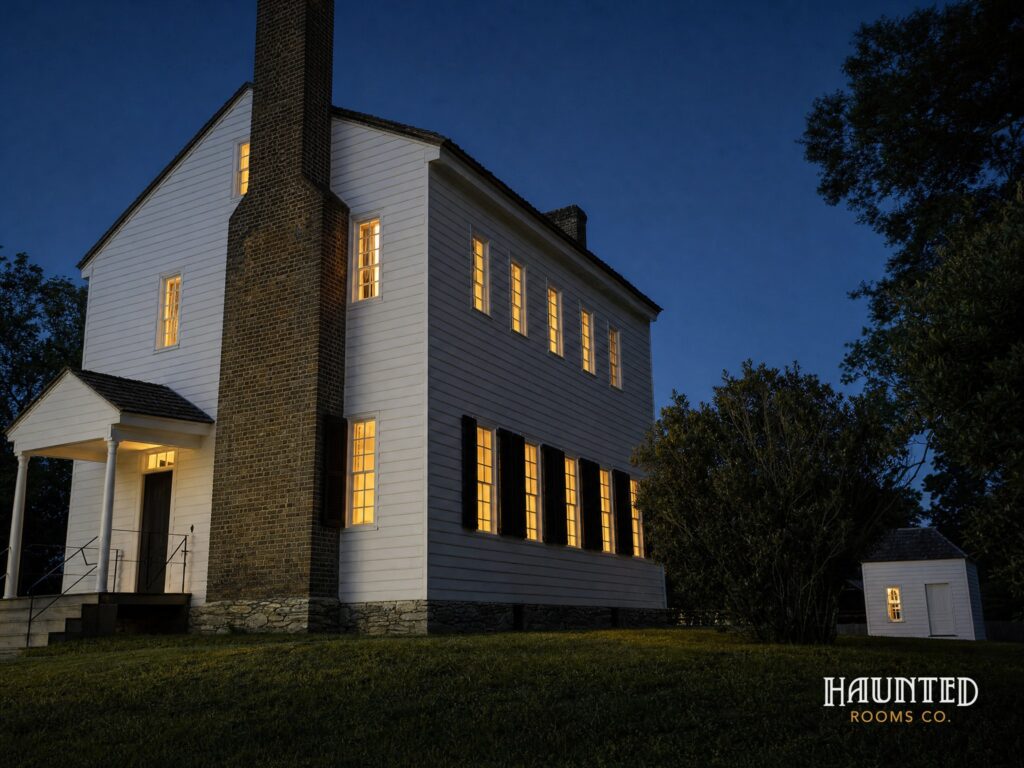
Joel Lane built the oldest part of the house around 1785 for his son Henry, who ran a 5,000-acre plantation here worked by enslaved people; 14 enslaved people lived and worked there under Henry Mordecai. Henry’s daughter Margaret married Moses Mordecai, and in 1824 the house was enlarged by architect William Nichols. It is now the centerpiece of Mordecai Historic Park, run by the City of Raleigh, which tells the stories of free and enslaved residents alike.
Visitors and staff describe a lady in a gray 1800s dress on the high balcony on moonlit nights or drifting down the stairs, and some hear the parlor piano play with no one at the keys. She is usually named as Mary Willis Mordecai Turk (1858 to 1937), who lived here longer than anyone. Raleigh’s director of historic sites told WRAL there is a strong belief the house is haunted; a Ghost Guild founder blames the piano on passing trains. Ghost Hunters filmed here in 2005.
Haunted Rooms tip: Take the guided tour and ask about the piano; the park also holds Andrew Johnson’s birthplace.
Visit on a tourGhost toursParanormal investigations allowed
Address 3427 North Tryon Street, Charlotte, NC 28206
Where to look The front windows and porch
Reported ghosts Figures at the windows and on the porch, voices, drained batteries
Visiting House by guided tour only; grounds open Wednesday to Saturday, 10 AM to 3 PM
Tours Guided house tours Wednesday to Saturday at 11:30 AM and 1:30 PM; seasonal haunted history tours
Ghost hunting Occasional ticketed night investigations with the Charlotte Area Paranormal Society, sold through Historic Rosedale
Archibald Frew’s Federal-style house on North Tryon Street dates to 1815, and was nicknamed Frew’s Folly for its cost. The Historic Rosedale Foundation preserves it and tells the history of five generations of the Frew, Caldwell and Davidson families and of the enslaved and free African Americans who lived and worked on the land.
Staff and visitors have described voices and laughter in empty rooms, camera batteries that drain suddenly, and figures seen at the windows and on the porch; one is often said to be a caretaker from the early 1900s. The foundation leans into its reputation: it hosts ticketed night investigations with the Charlotte Area Paranormal Society in the house, the cellar and the grounds, and haunted history tours.
Haunted Rooms tip: Book a guided house tour (Wednesday to Saturday), or watch the foundation’s events page for its night paranormal investigations.
Where to look The canal, the brick walks and the reconstructed quarters
Reported ghosts A mother's cries for a drowned child, footsteps on the brick paths
Visiting State historic site; grounds and self-guided tours free
Hours and season Tuesday to Saturday, 9 AM to 5 PM
Tickets Free entry; guided tours $5 adults
Ghost hunting No ghost hunting
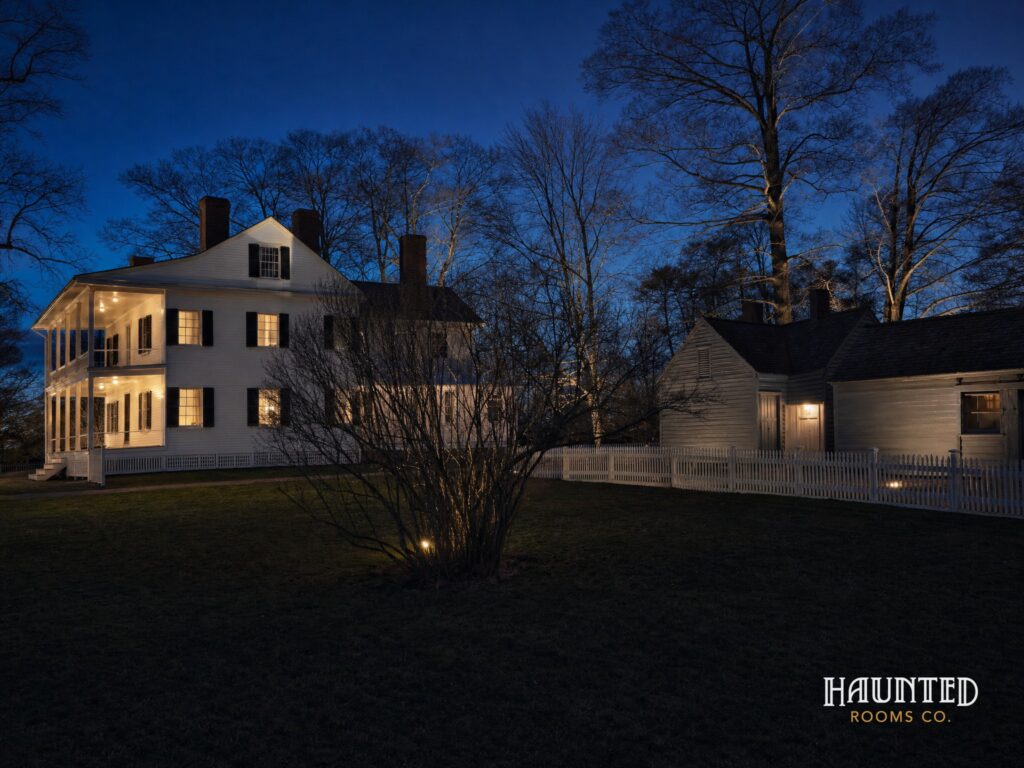
From 1785 until 1865 Somerset Place on the north shore of Lake Phelps was one of the largest plantations in the upper South, more than 100,000 mostly swampy acres. More than 850 enslaved men, women and children lived and worked here over those 80 years, 80 of them brought directly from West Africa in 1786, growing rice, corn, wheat and flax. Since 1969 it has been a state historic site that centers their lives, with seven original buildings including the owners’ Collins House.
Our older guide repeated local stories of a mother heard crying for a little boy who drowned in one of the canals, and footsteps following visitors along the old brick paths in the evening. We found no published record behind either story. The history here is the reason to come, and it deserves to be met on its own terms.
Haunted Rooms tip: Join a guided tour; the Collins House is closed for construction until further notice, but the rest of the site is open.
Address 7509 US Highway 17, Pollocksville, NC 28573
Where to look The attic and the attic staircase
Reported ghosts Moans from the attic, stains on the attic stairs that will not paint over
Visiting House museum open for scheduled tours
Tours Guided house tours
Hours and season Tours on Thursdays at 10 AM, noon and 2 PM; reservations suggested
Ghost hunting No public ghost hunts
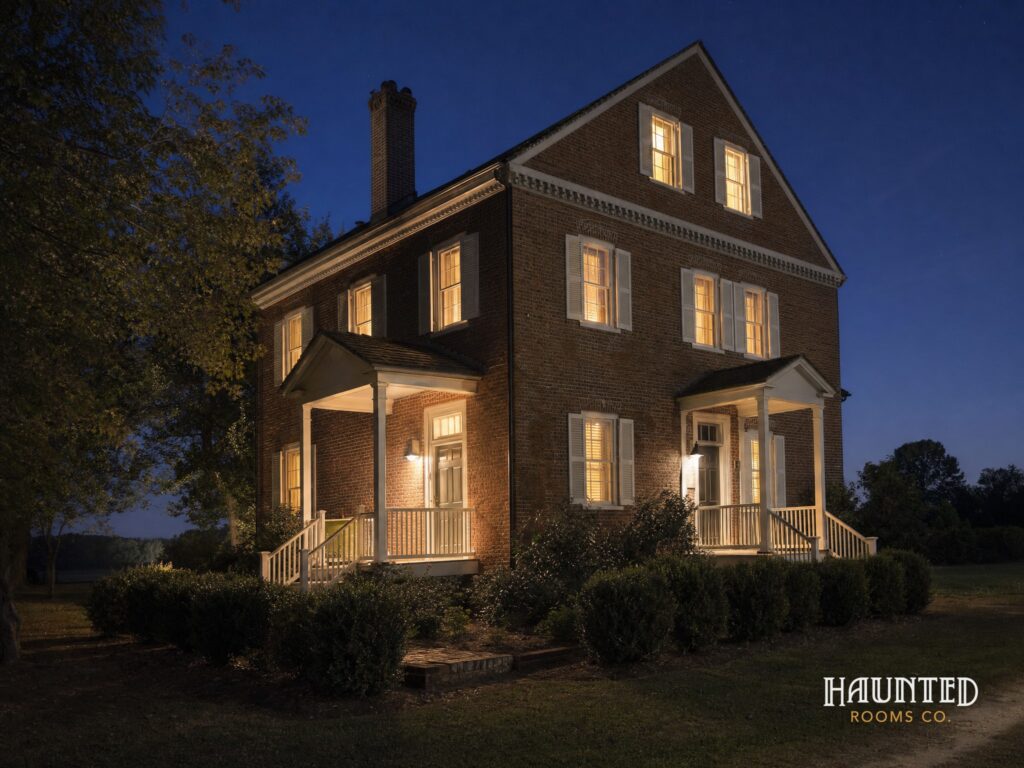
The three-story brick Foscue house on US 17 near Pollocksville was built by Simon Foscue, about 1801 according to its National Register nomination, though the family foundation dates it to 1824. It has stayed in the Foscue family for nine generations, was listed on the National Register in 1971 and keeps much of its pre-Civil War furniture. The family enslaved dozens of people who worked its turpentine and tobacco land. It is now a house museum open for tours.
Local legend says enslaved people were chained in the attic and that their cries and moans are still heard, and that blood keeps showing through the paint on the attic stairs; some versions blame a violent fight before the Civil War. We found no record behind either story, and the family’s own tours focus on the house and its history.
Haunted Rooms tip: Book a Thursday house tour, and remember it is still a family property.
Where to look The attic, the parlor and the grounds around the house
Reported ghosts Children in the attic, a moving cane, shadow figures
Visiting Historic site closed for redevelopment; expected to reopen in 2027
Ghost hunting Closed; no tours or investigations until it reopens
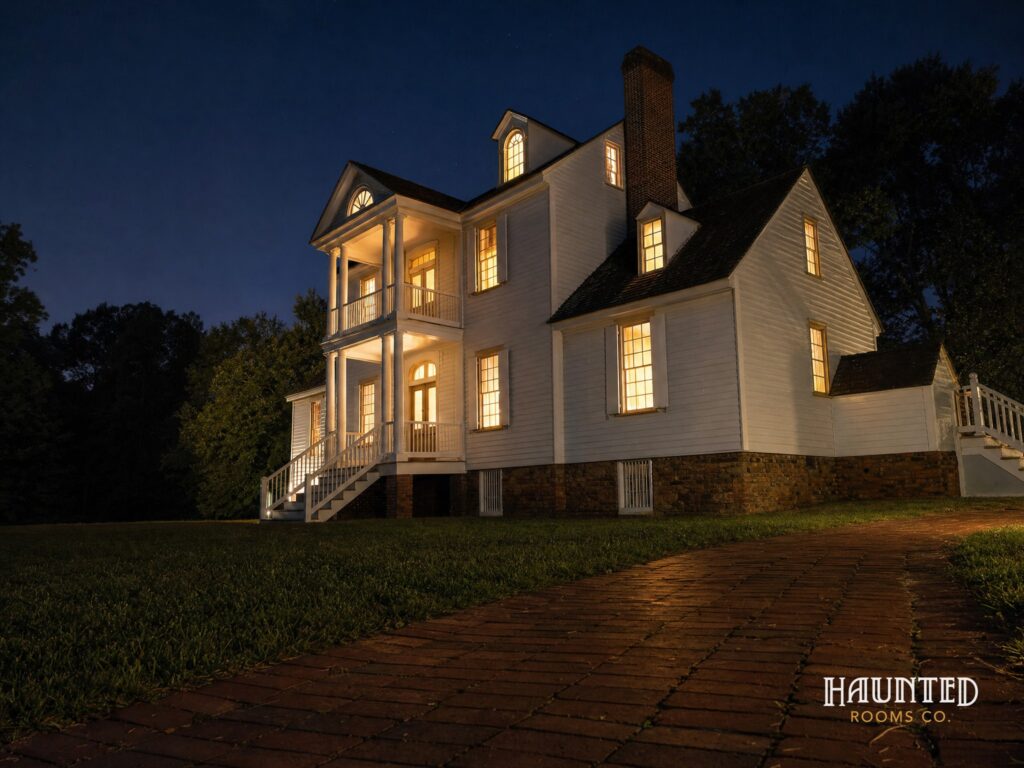
Merchant James Latta, an Irish immigrant who sold goods from a Conestoga wagon, built this Federal-style house around 1800 beside what is now Mountain Island Lake, and by his death in 1837 he enslaved at least 25 people here. The Sample family owned it from 1853 to 1922. Mecklenburg County runs it as a historic site inside Latta Nature Preserve, but it has been closed since June 2021 and is being rebuilt with a new visitor center and a trail that tells the story of everyone who lived on the land, including the enslaved. The county expects to reopen it in 2027.
For years staff, volunteers and visitors told of children laughing and doors slamming in the bare attic, shadow figures on the grounds and a family cane that is said to have slipped from a guide’s hand and moved across the floor. The old site even ran candlelit ghost tours with a medium. These are stories, but they made Latta one of the Charlotte area’s best-known haunted places.
Haunted Rooms tip: Until the site reopens, walk the trails of Latta Nature Preserve and check the county’s Latta Place page for the reopening date.
Visiting a haunted place by day is one thing. Investigating one after dark is another. On a Haunted Rooms ghost hunt our team takes you through a historic building with professional ghost hunting equipment, runs EVP sessions and vigils, and gives you time to explore on your own. These are the nearest ones we run.
Changed from our older guide: we marked Foscue House as a private home seen from the road; corrected Mordecai House (Joel Lane built it about 1785 for his son Henry, and Moses Mordecai married into the family rather than buying it); and framed the Somerset canal and Foscue staircase stories as legends with no record we could find. Latta Place has its own guide, linked above.
Visited one of these places? Tell us what happened
We collect first-hand accounts from visitors and add the best ones to our guides, with your first name and the date of your visit. We read every story before it’s published.
Frequently asked questions
What is the most haunted former plantation house in North Carolina?
Mordecai House in Raleigh has the best-known story: a woman in a long black skirt, often named as Mary Willis Mordecai Turk, and piano music in the parlor.
Can you ghost hunt at a historic house in North Carolina?
Yes, at Poplar Grove Historic House near Wilmington, where Haunted Rooms runs ghost hunts. The state and city historic sites in this guide do not allow ghost hunting.
Is Latta Place haunted?
Latta Place in Huntersville has stories of a cane that moved by itself and children heard in the attic. It has its own guide on our site.
Can you visit Foscue House?
It is a privately owned family home. We could not confirm current public tours, so see it from US 17 unless the family announces an open day.
Do these sites tell the history of enslaved people?
Yes. Somerset Place centers the lives of the people enslaved there, and Historic Rosedale and Mordecai Historic Park include the stories of enslaved and free African Americans on their tours.
Sources and how we research
Every place in this guide is checked against its official website, historic register listings and news coverage, and we confirm whether it is open, closed, private or gone before we list it. Ghost stories are reported as staff, visitors and local historians tell them; we say so where records contradict a story.
New guides, haunted places to visit and ghost hunt dates near you. No spam, unsubscribe any time.
About the authors
The Haunted Rooms Team runs public ghost hunts and overnight investigations at historic venues across the United States. We research every place in our guides using official sites, historic registers, local archives and news coverage, and we report ghost stories as the stories they are. We review each guide regularly so you are not sent to a place that has closed, changed hands or banned visitors. Spotted something out of date? Let us know.