A lighthouse keeper killed in 1815, a mayor’s house whose inventory listed “one ghost,” a theatre with a Lavender Lady and a bank teller who never left the Hockey Hall of Fame. These are Toronto’s best-known haunted places, checked against the records.
Toronto’s ghost stories are tied to its oldest buildings: the 1809 lighthouse on Toronto Island, William Lyon Mackenzie’s last home, the Massey family mansion on Jarvis Street, Sir Henry Pellatt’s castle and the Edwardian stacked theatres on Yonge Street. We have checked each against official sites, historic records and news coverage, and we say where a famous story has no record behind it. Most are open to visit, and two of them are places you can eat or sleep.
Visit on a tourGhost toursParanormal investigations allowed
Address 189 Yonge St, Toronto, ON
Where to look The grand staircase, the elevators, the Winter Garden auditorium
Reported ghosts The Lavender Lady; a trombone player called Sam
Visiting Owned by the Ontario Heritage Trust; inside for shows, guided tours or ghost events
Tours Guided building tours; The Haunted Walk’s Alone in the Dark investigation (2 hours, ages 16+)
Ghost hunting Yes: The Haunted Walk runs small-group paranormal investigations on set nights
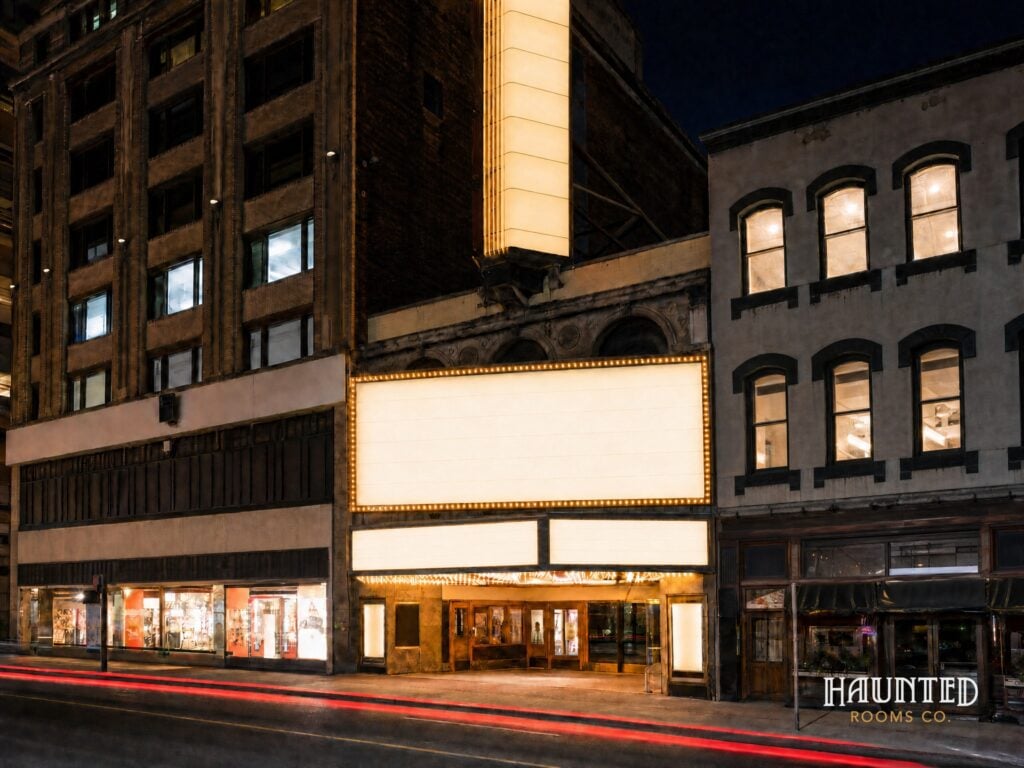
Marcus Loew opened these two theatres, one stacked on top of the other, in 1913, to designs by Thomas W. Lamb. The upper Winter Garden, painted to look like a garden with real leaves hanging from the ceiling, closed in 1928 and sat untouched for about 60 years. The Ontario Heritage Foundation bought the building in 1981 and restored both theatres, which reopened in 1989. It is a National Historic Site and is called the last surviving Edwardian stacked theatres in the world.
Staff and guides talk about the Lavender Lady, a woman sensed on the grand staircase and in the elevators with a scent of lavender, and the Globe and Mail reported that operator-run elevators have moved on their own. Another story links one seat to the Chicago theatre where John Dillinger was shot. The Haunted Walk runs small-group investigations of the dark theatres, and the trust has offered special ghost tours.
What investigators report
Toronto ghost researchers record that a volunteer Ouija session during the 1980s restoration made contact with a spirit calling himself Sam, and staff report seats folding down by themselves in the Winter Garden.
Haunted Rooms tip: Book The Haunted Walk’s Alone in the Dark investigation for the empty theatres at night, or a daytime guided tour to see the Winter Garden’s leafy ceiling.
Address 100 Front Street West, Toronto, ON M5J 1E3, Canada
Where to look The eighth floor, the Crystal Ballroom floor and its elevator stop, the stairwell to the roof
Reported ghosts A gray-haired man in a dark jacket, phantom partygoers, laughing children
Visiting A working hotel; public areas, restaurants and bars are open to visitors
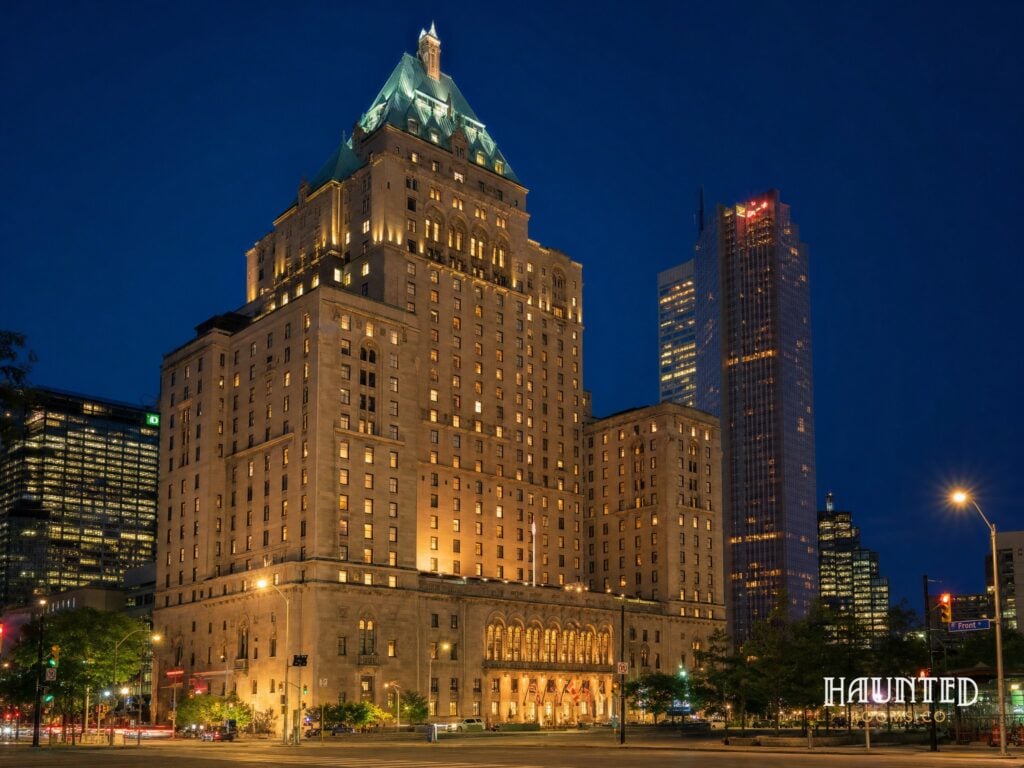
When it opened on June 11, 1929, the Royal York was the tallest building in the British Empire, and with more than 1,300 rooms it is still a city within a city. Its best-known ghost is a gray-haired older man in a dark jacket who walks the eighth-floor hallways at night. One version says he is a former staff member who took his own life on a stairway; another, darker legend makes him a groom who killed his bride on their honeymoon.
Guests below the long-closed Crystal Ballroom have complained of music, voices and footsteps overhead, and the elevator is said to stop on the ballroom floor when nobody has pressed the button. Others report children laughing in empty corridors. The hotel does not market its ghosts, but the stories have been told for decades.
Haunted Rooms tip: Ask for the eighth floor, and take a ride in the elevators late at night to see if one stops on the ballroom level by itself.
Address Lakeshore Ave, Toronto Island Park, Toronto, ON
Where to look The tower door and stairs, the grounds and the beach path
Reported ghosts Keeper John Paul Radelmuller, killed in 1815
Visiting In Toronto Island Park; the grounds are open, the tower is usually locked
Hours and season Reached by city ferry; the tower opens occasionally, for example during Doors Open Toronto
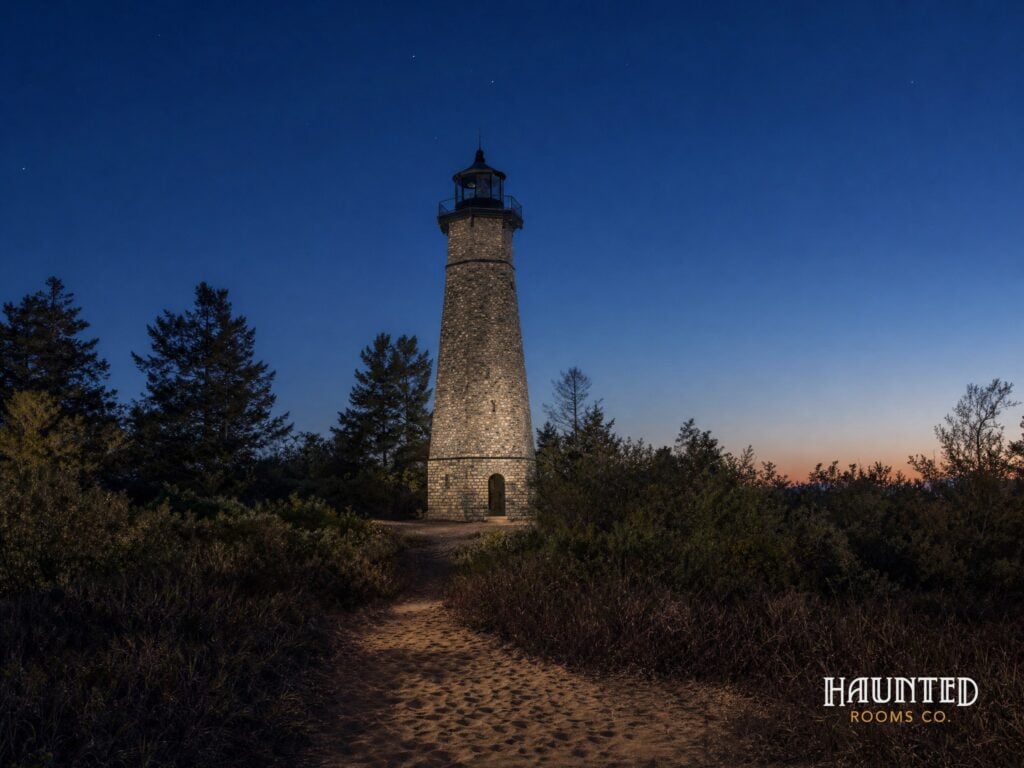
Lit in 1809 and raised to about 25 meters in 1832, this stone tower on Toronto Island is one of the oldest buildings in the city. Its first keeper, the Bavarian-born John Paul Radelmuller, died on January 2, 1815. Historian Eamonn O’Keeffe found that two soldiers of the Glengarry Light Infantry were tried for his murder that March and acquitted, and that nothing in the records supports the famous story that his body was cut up and hidden.
The legend says drunken soldiers from Fort York killed him over bootleg beer, and that his ghost climbs the stairs or moans around the tower. In 1893 keeper George Durnan dug up coffin fragments and a jawbone nearby, though they were never proven to be Radelmuller’s. The tower is no longer a working light and is usually closed, but the grounds are open and it sometimes opens for Doors Open Toronto.
Haunted Rooms tip: Take the ferry to Hanlan’s Point or Centre Island and walk to the tower in the late afternoon; the inside is only open on special days like Doors Open Toronto.
Where to look The front foyer, the main staircase, the second-floor women's washroom, the library
Reported ghosts A maid said to have hanged herself after Lillian Massey died; children on the stairs
Visiting A working restaurant; open to diners, reservations recommended
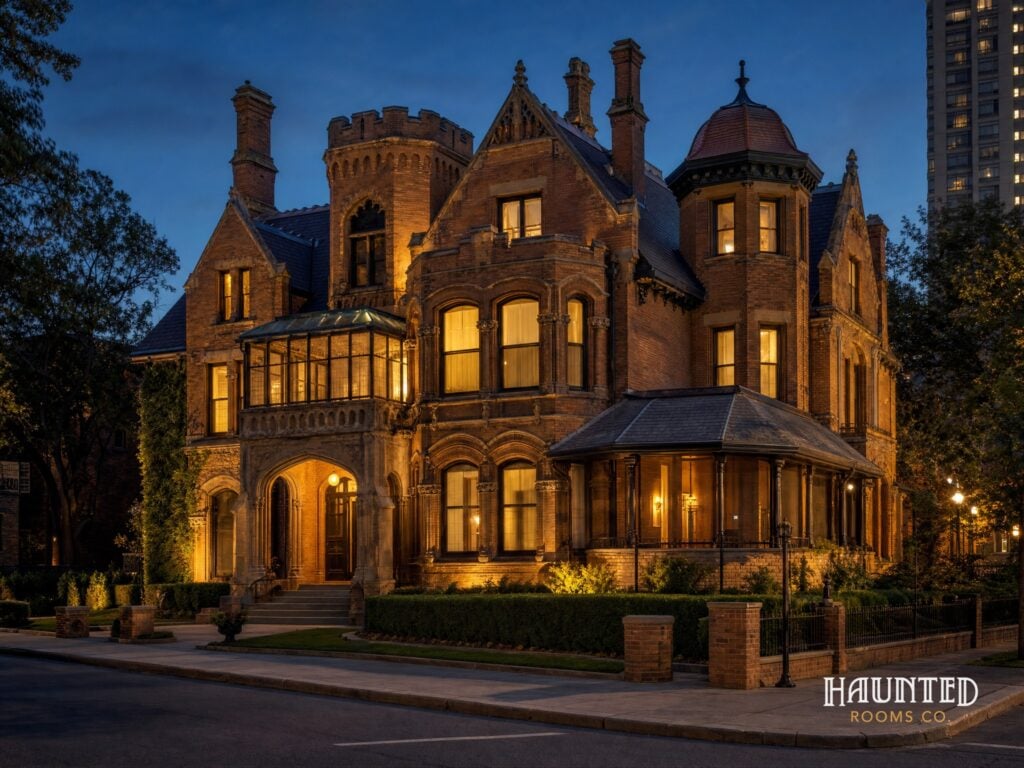
This red brick and sandstone mansion on Jarvis Street was built in 1868 for Arthur McMaster. Hart Massey and his wife bought it in 1882 and added the turret and verandah, and it became Euclid Hall. After the family left it to Victoria College in 1915 it served as CFRB’s first radio studio and an art gallery, and since 1976 it has been The Keg Mansion steakhouse. It was designated under the Ontario Heritage Act in 1975.
The legend most often told is that a maid hanged herself in the front foyer, grief-stricken after Lillian Massey’s death in 1915; some versions add that she was hiding a secret. No record of that death has been published. Staff are open about the stories: a general manager told Vice that children often see a boy on the stairs and that a woman in the second-floor washroom is the second most reported sighting.
Haunted Rooms tip: Book a table for a late dinner and ask to be seated near the main staircase, then take a look at the upstairs washrooms on your way out.
Where to look The bedrooms, the stairs, the parlor piano, the print shop
Reported ghosts A woman taken to be Isabel Mackenzie; a printing press said to run at night
Visiting City of Toronto museum; free general admission (the historic rooms are under restoration)
Hours and season Wednesday to Sunday, 11 am to 4 pm
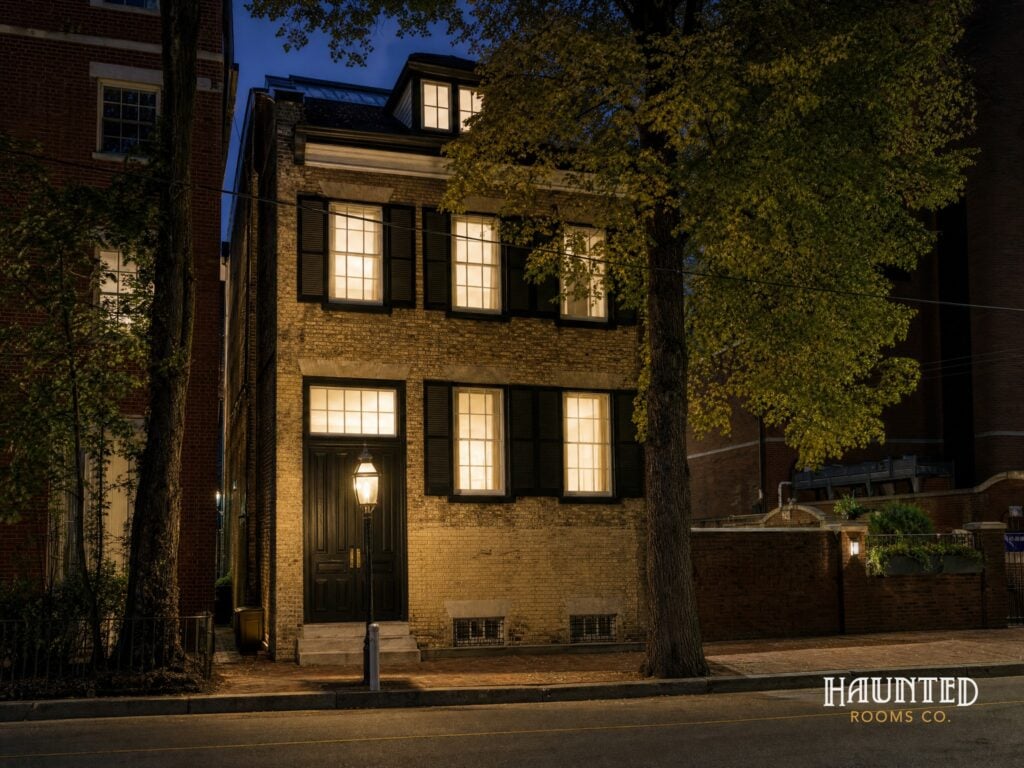
This 1858 brick townhouse near Sankofa Square was the last home of William Lyon Mackenzie, Toronto’s first mayor and a leader of the 1837 Rebellion, who lived here until his death in 1861. It was saved in 1936 when the rest of its row was demolished, and it is now one of the City of Toronto’s historic museums, with a working 19th-century print shop.
Its ghost stories began in the 1950s, when live-in caretakers said a woman bent over the bed at night and once slapped one of them. Global News reported that the piano was heard playing in an empty parlor and the press was said to run on its own. When the city took over the house in 1960, a blessing was televised and the inventory famously ended with “One ghost.” Staff today say the house is rumored to have resident ghosts.
Haunted Rooms tip: Admission is free from Wednesday to Sunday; ask the interpreters about the caretakers’ 1950s accounts, and try the print shop workshops.
Where to look The Great Hall under the stained-glass dome, the old vault, the second-floor washroom
Reported ghosts Dorothy, a young bank teller who died in 1953
Visiting Museum with admission, open daily
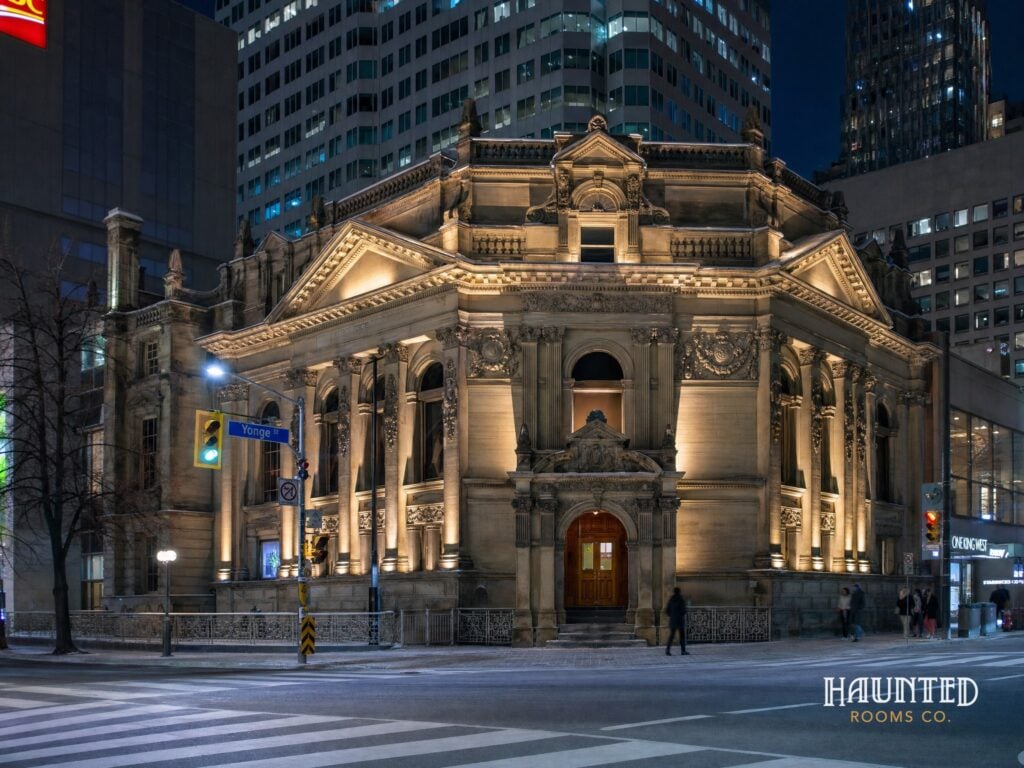
Since 1993 the Hockey Hall of Fame has filled part of Brookfield Place, including the ornate former Bank of Montreal branch at Yonge and Front, designed by Frank Darling and S. George Curry. Its domed banking hall is now the Esso Great Hall, where the Stanley Cup and the honoured members’ portraits are kept.
The Toronto Star identified the Hall’s ghost as Dorothea Mae Elliott, a 19-year-old teller who shot herself in the bank’s upstairs washroom on March 11, 1953, and died the next day at St. Michael’s Hospital. Bank staff later described lights switching on and off and footsteps in the hall, and female staff stopped using that washroom. Hall staff have since reported cold spots by the vault and a woman with long dark hair.
Haunted Rooms tip: Look up at the Great Hall’s stained-glass dome and find the old bank vault, the spot staff most often mention.
Where to look The tunnel to the stables, the basement, the second-floor windows
Reported ghosts Sir Henry Pellatt at a window; a Lady in White; a figure in the tunnel
Visiting Attraction with admission, open daily
Tours Self-guided visits; Legends of Horror haunted walk through the gardens and tunnel each October
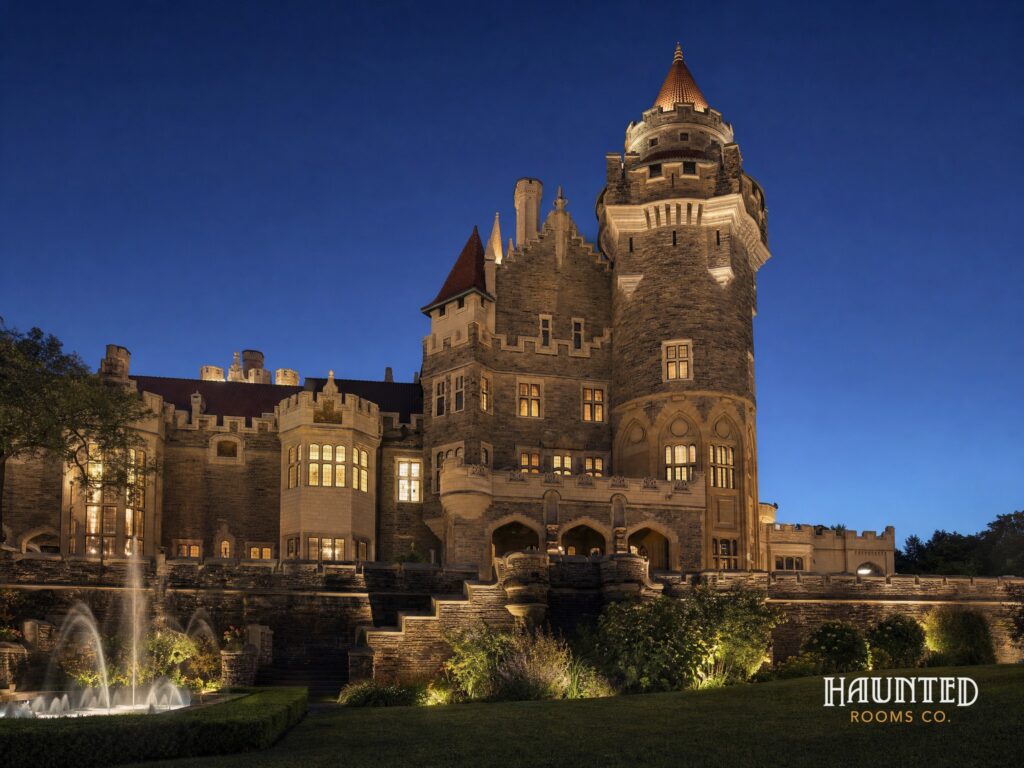
Financier Sir Henry Pellatt built this Gothic Revival castle from 1911 to 1914 to designs by E. J. Lennox, complete with a tunnel to his hunting lodge and stables. He lost it in the 1920s and the city took the property for unpaid taxes in 1924. The City of Toronto still owns it, and it is now one of the city’s best-known attractions and event venues.
Ghost stories here are popular lore rather than history: a stern old man said to be Pellatt seen at an upstairs window, a Lady in White in the basement and halls, and knocking or a voice in the tunnel. The Wikipedia history notes that broadcaster Claire Wallace spent a night in the mansion in the 1930s for a story on ghosts. Each October the grounds and tunnel host Legends of Horror, a staged haunted walk.
Haunted Rooms tip: Walk the 800-foot tunnel to the stables, the spot most stories center on, or come in October for Legends of Horror.
Address 1695 The Collegeway, Mississauga, ON L5L 3S7, Canada
Where to look The great hall fireplace, the main doorway
Reported ghosts The original owner, William Watson Evans, known in local lore as Mr. Watson
Visiting A working hotel; public areas, restaurants and bars are open to visitors
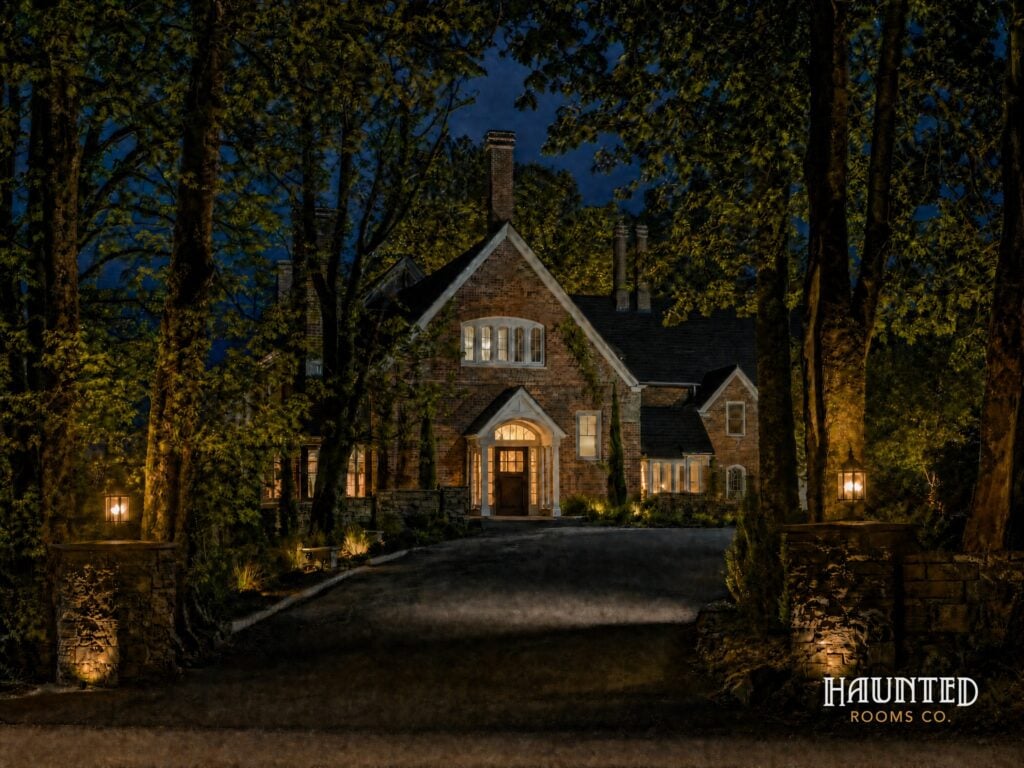
Tucked into the Sawmill Creek valley, the Glenerin was built around 1927 as a summer estate for Toronto lawyer and financier William Watson Evans, who hosted society balls there and died a few years later. The house then sheltered English schoolgirls evacuated during the Second World War, became a Simpsons employee rest home, passed to the Basilian Fathers and served a Jewish congregation before opening as an inn in 1986.
The story most often told is of a man tending the fire in the great hall who is gone when you look again, and guests also describe a figure in a doorway. Local lore calls him Mr. Watson and says he is the builder, still entertaining in the house he made for exactly that. It is a quiet, romantic stay half an hour from downtown Toronto.
Haunted Rooms tip: Spend the evening by the great hall fireplace, where most sightings are reported.
Visited one of these places? Tell us what happened
We collect first-hand accounts from visitors and add the best ones to our guides, with your first name and the date of your visit. We read every story before it’s published.
Frequently asked questions
What is the most haunted place in Toronto?
The Keg Mansion and Mackenzie House are the two most often named, along with the Gibraltar Point Lighthouse, whose first keeper died in 1815, and the Elgin and Winter Garden theatres.
Can you go ghost hunting in Toronto?
Yes. The Haunted Walk runs small-group Alone in the Dark investigations of the Elgin and Winter Garden theatres on set nights, for ages 16 and up.
Is Mackenzie House haunted?
Caretakers in the 1950s said a woman bent over their bed and once slapped one of them, and when the city took over the house in 1960 its inventory ended with “One ghost.” The city museum still says it is rumored to have resident ghosts.
Who haunts the Hockey Hall of Fame?
Dorothea Mae Elliott, a 19-year-old teller at the Bank of Montreal branch that is now the Great Hall, who shot herself in the staff washroom in March 1953. Staff have reported cold spots, lights and footsteps ever since.
Is Casa Loma haunted?
Popular stories describe Sir Henry Pellatt at a window, a Lady in White and a figure in the tunnel to the stables, but they are lore rather than history. Each October the castle hosts Legends of Horror.
Sources and how we research
Every place in this guide is checked against its official website, historic register listings and news coverage, and we confirm whether it is open, closed, private or gone before we list it. Ghost stories are reported as staff, visitors and local historians tell them; we say so where records contradict a story. Each place shows how many independent sources we checked it against; our own Haunted Rooms pages are not counted.
New guides and haunted places to visit. No spam, unsubscribe any time.
About the authors
The Haunted Rooms Team are paranormal researchers who write about historic haunted places across the United States. We research every place in our guides using official sites, historic registers, local archives and news coverage, and we report ghost stories as the stories they are. We review each guide regularly so you are not sent to a place that has closed, changed hands or banned visitors. Spotted something out of date? Let us know.